Pole line hardware & drawing-based metal parts
Metal brackets, plates, bands, braces, fasteners, fabricated assemblies and suitable OEM parts produced against approved drawings and requirements.
KOVYEL combines pole line hardware manufacturing with coordinated supply for complete overhead distribution and transmission packages. This page shows the production, inspection and export-delivery evidence behind that role.
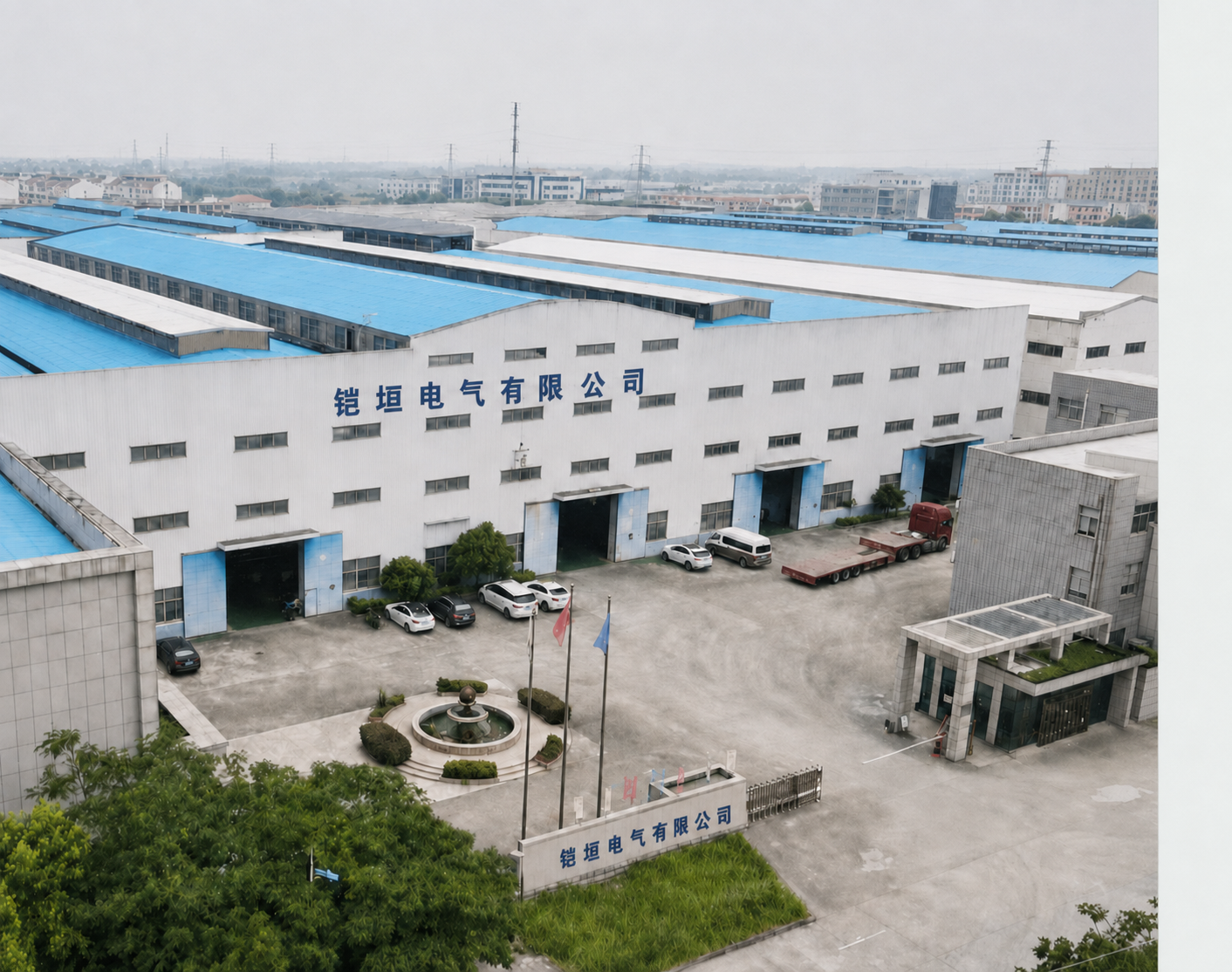
Project buyers should know which items come from the core manufacturing base and which are coordinated through the wider supply chain.
Metal brackets, plates, bands, braces, fasteners, fabricated assemblies and suitable OEM parts produced against approved drawings and requirements.
Conductors, insulators, fittings, structures, protection, transformers, cable and fiber systems coordinated across qualified supply partners.
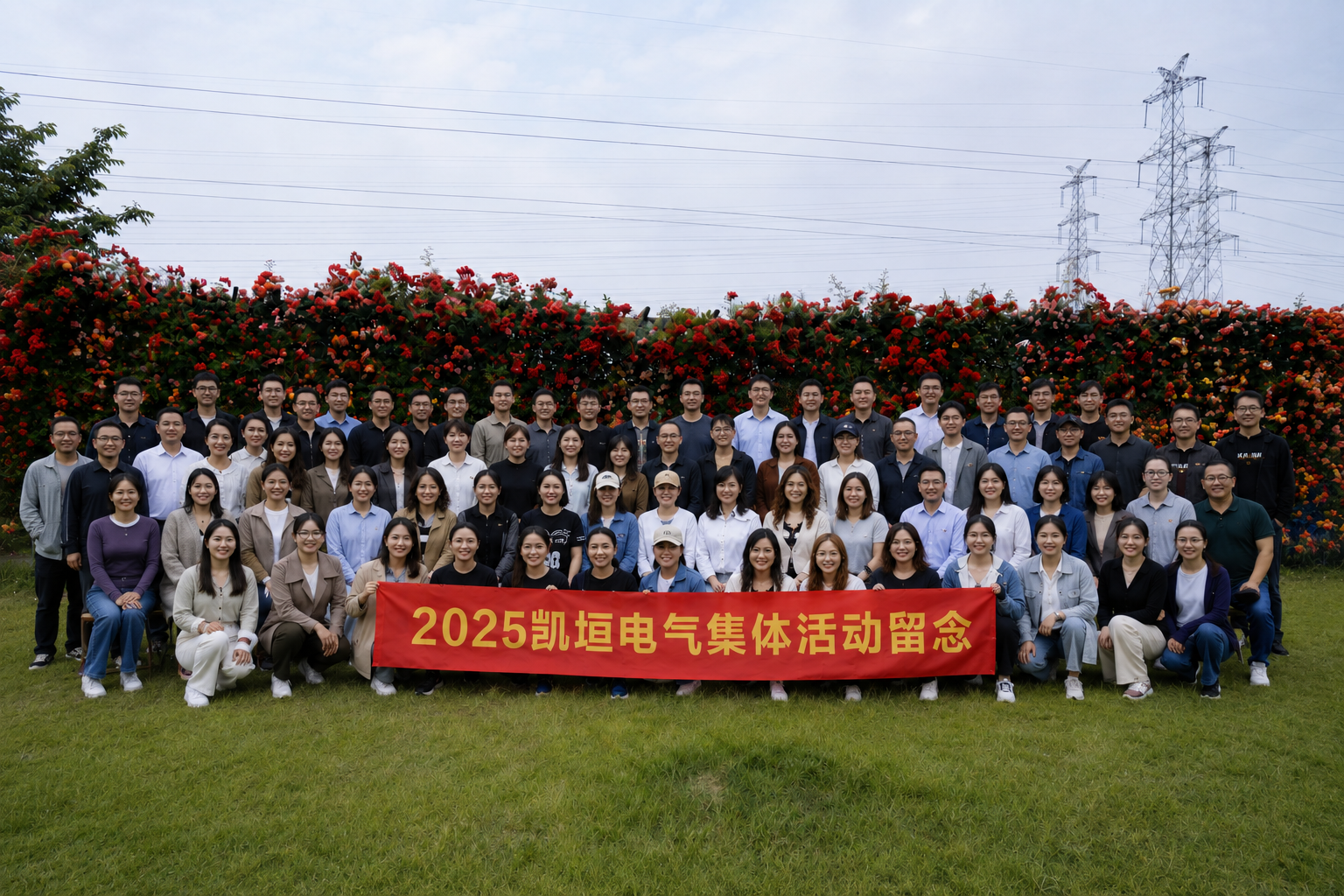
Our manufacturing, quality, engineering, commercial and logistics colleagues work together to turn drawings and BOQs into traceable project deliveries.
Manufacturing, quality, technical, commercial and logistics responsibilities are coordinated through one project interface.
A 20,000 m² manufacturing base and more than 150 employees support direct production and project delivery.
More than 20 technical and QC personnel support drawing review, inspection planning and product verification.
Each stage closes a specific risk: material identity, geometry, fit, mechanical performance, quantity or shipment traceability.
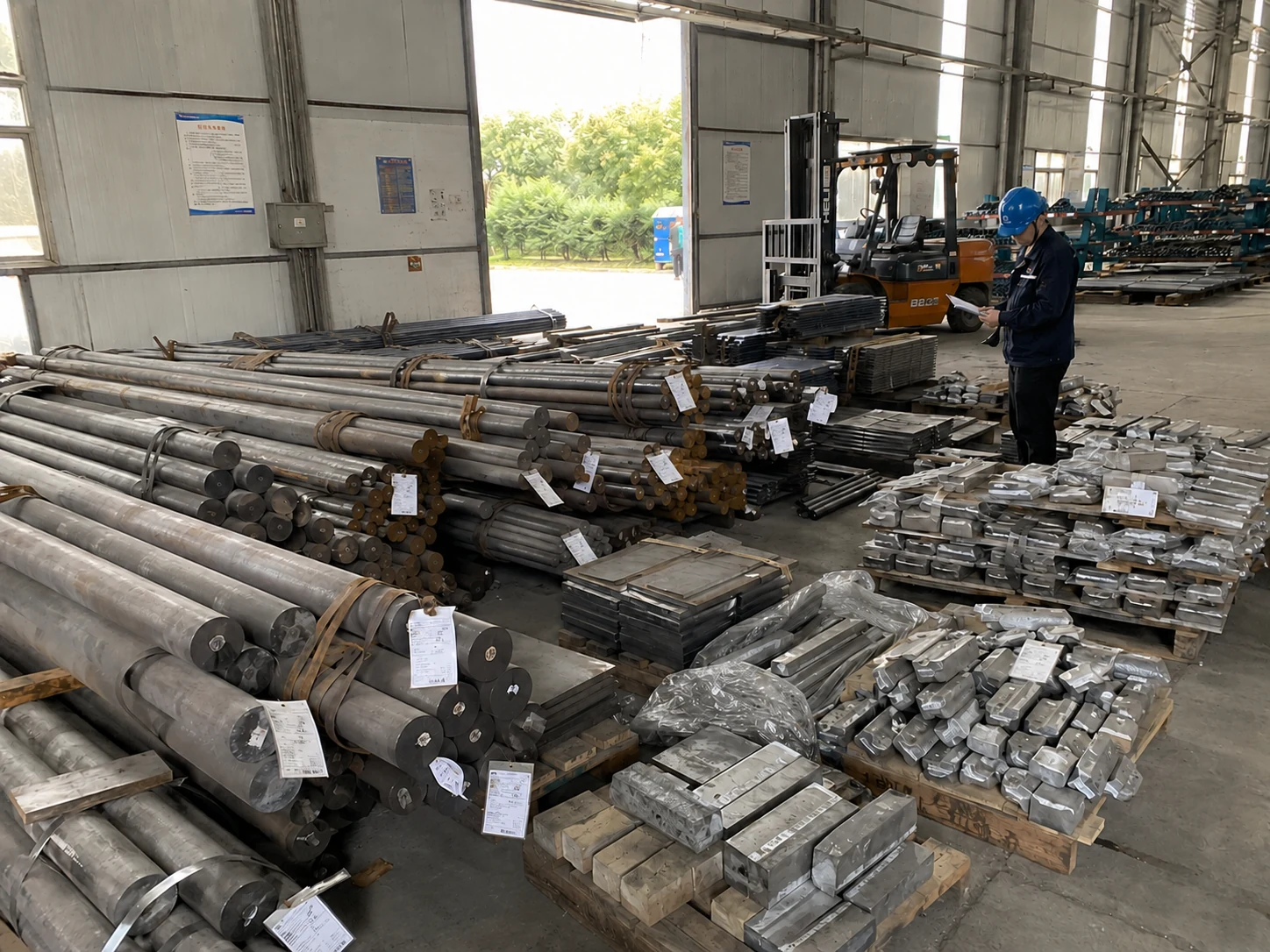
Material identification, sorting and preparation against the approved drawing and production plan.
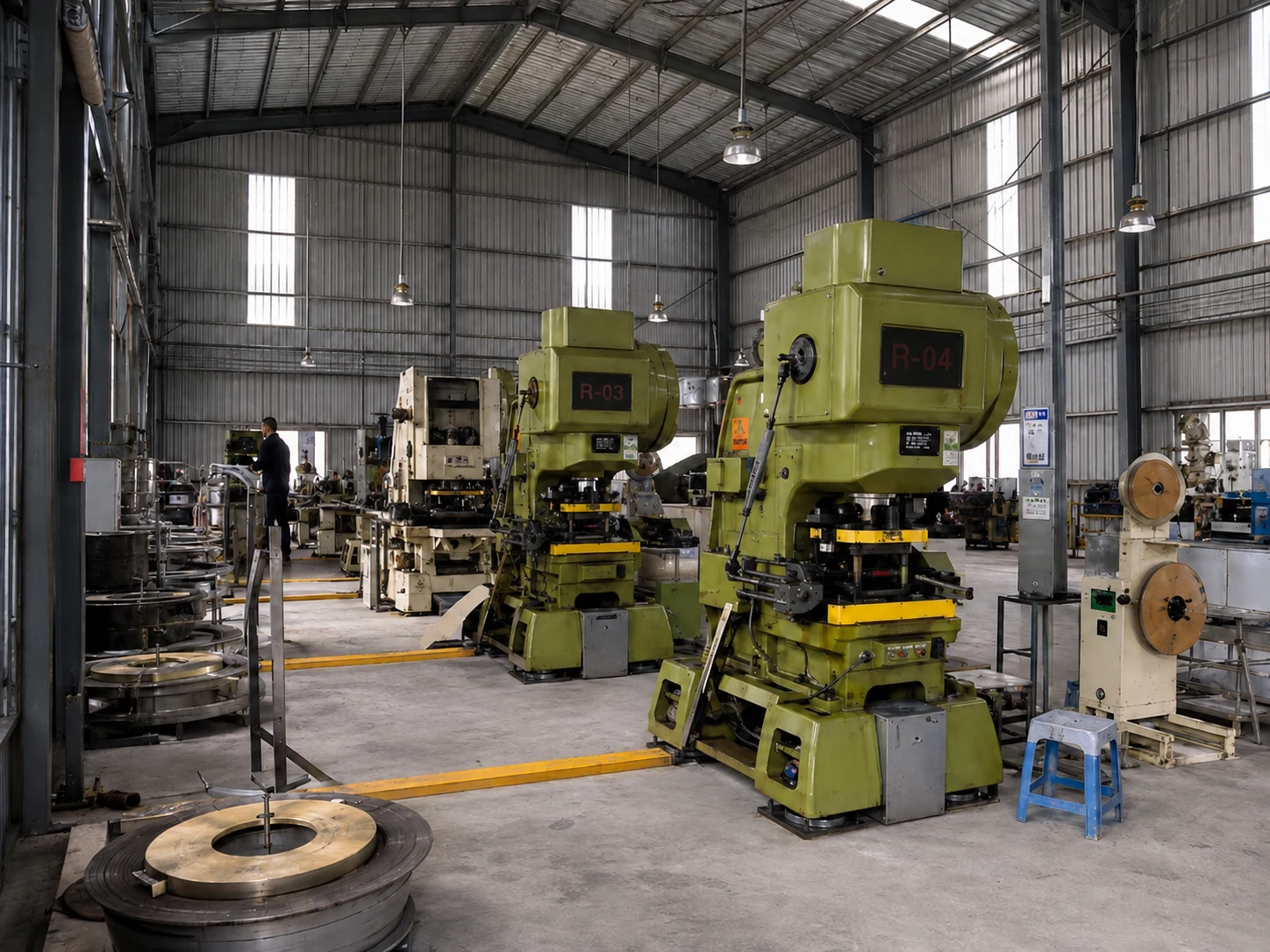
Punching, pressing and controlled forming create the required component geometry.
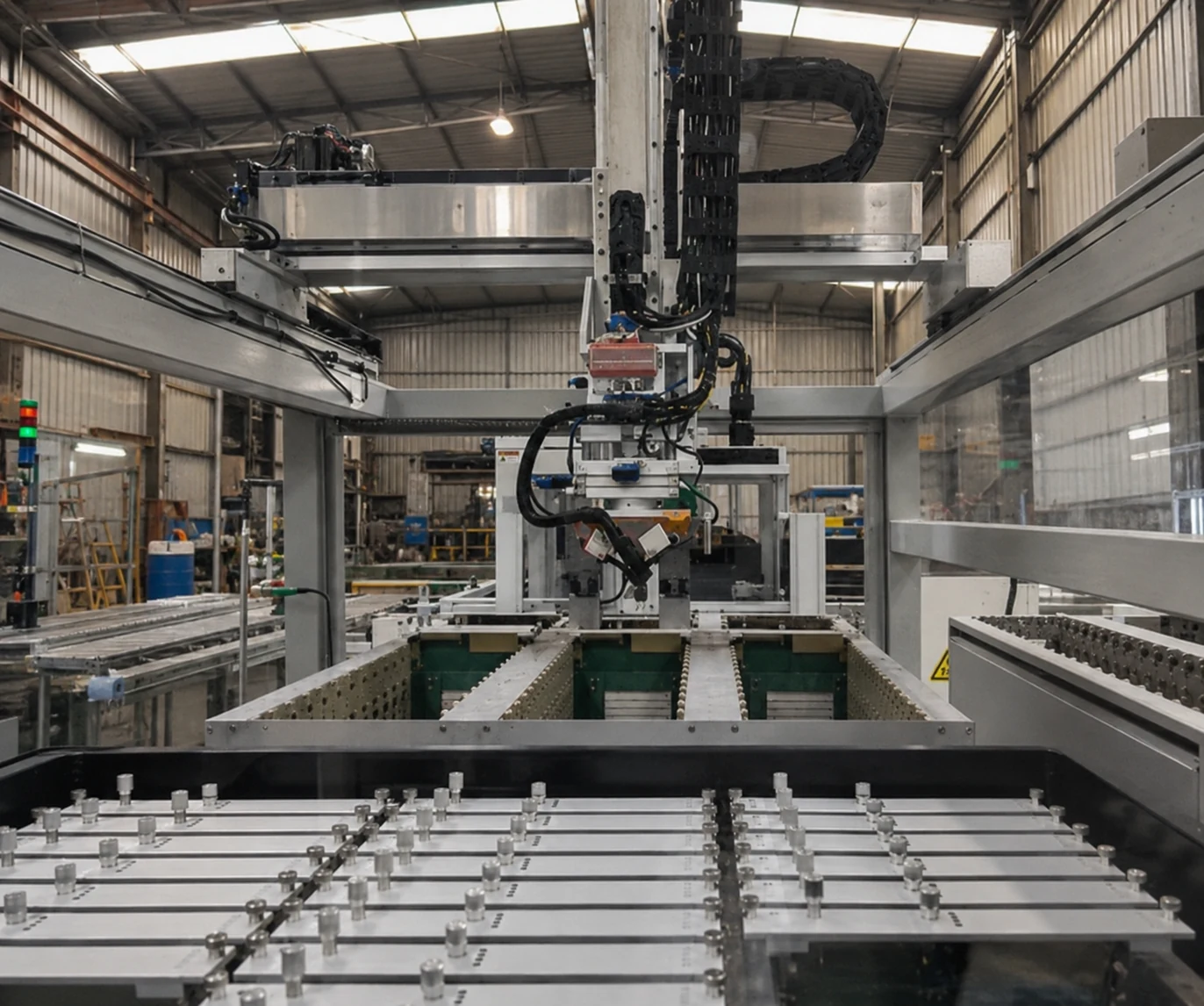
Drilling, turning and finishing are controlled according to drawing dimensions and fit requirements.
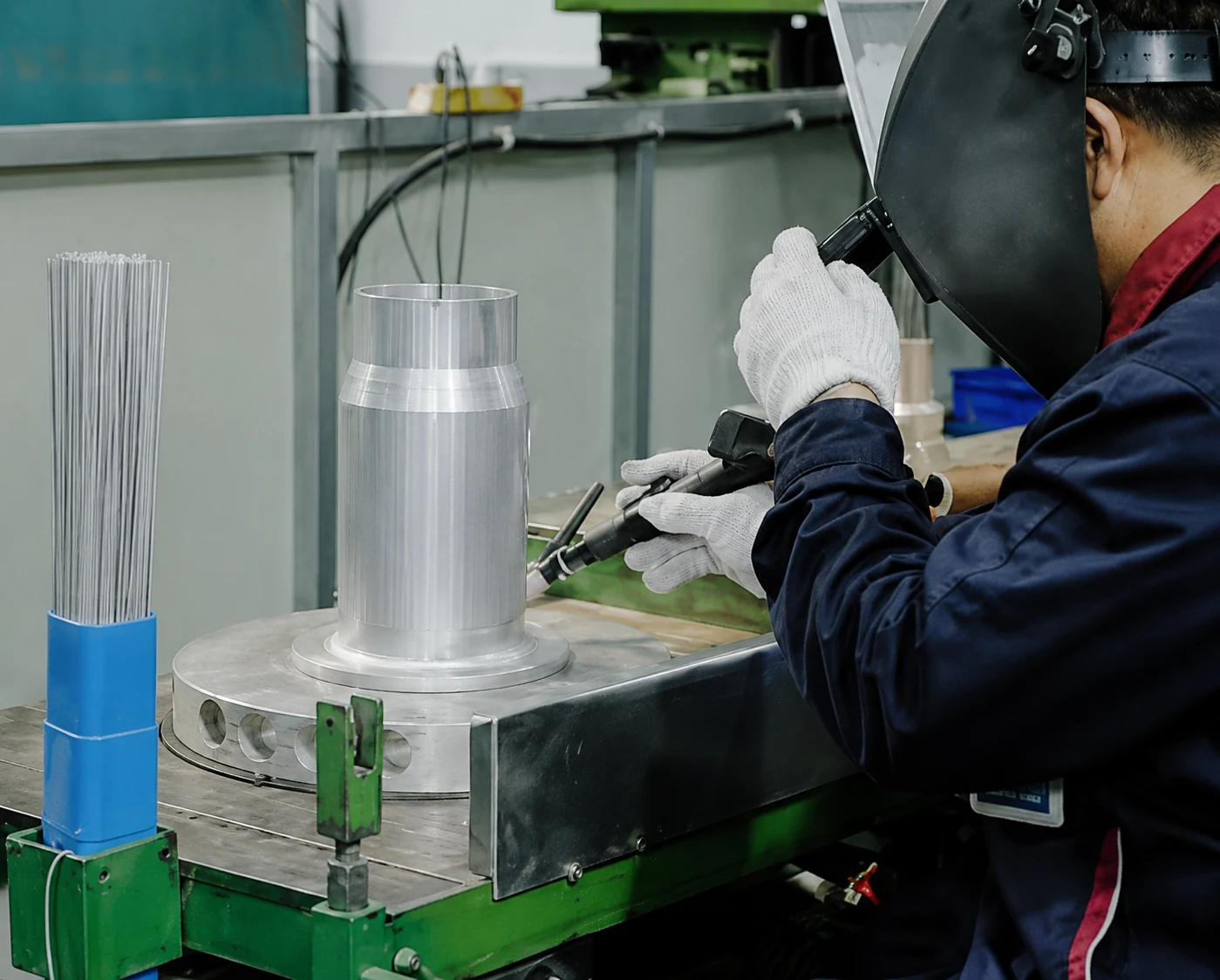
Components are fitted, welded and assembled before dimensional and finished-product checks.
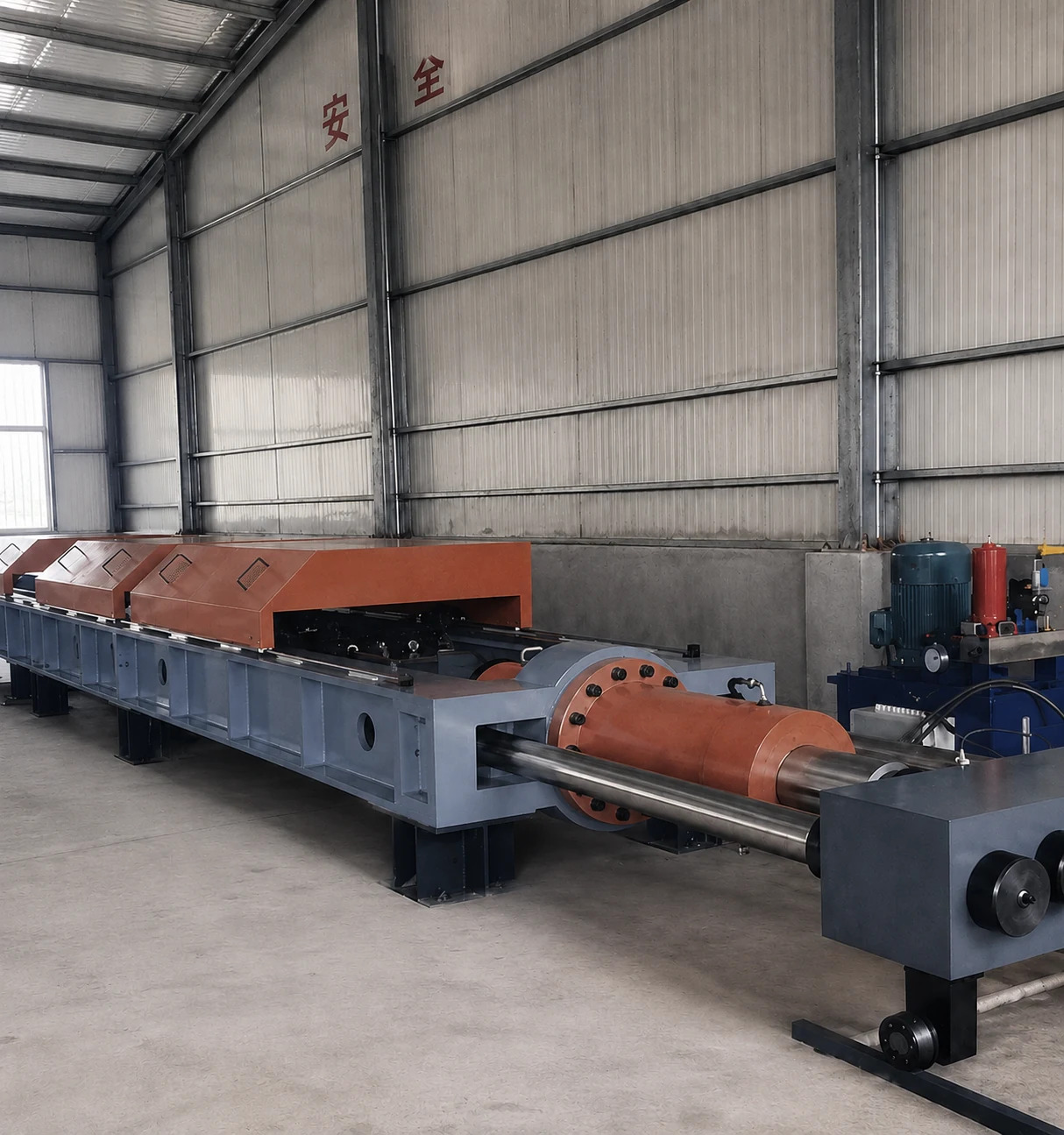
Mechanical, dimensional, material and surface checks are matched to the product and project requirement.
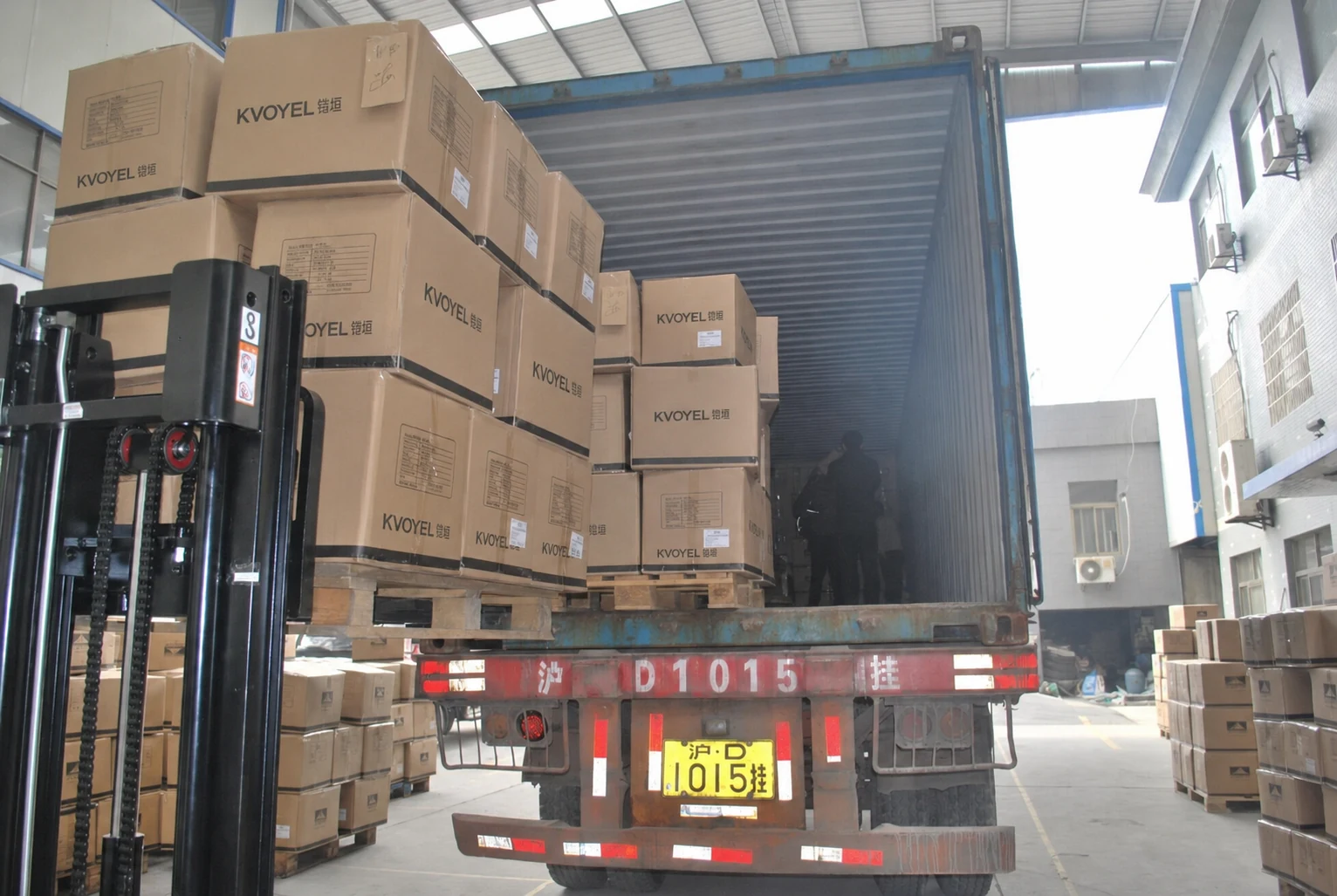
Finished items are counted, labelled and grouped by BOQ, structure or shipment package.
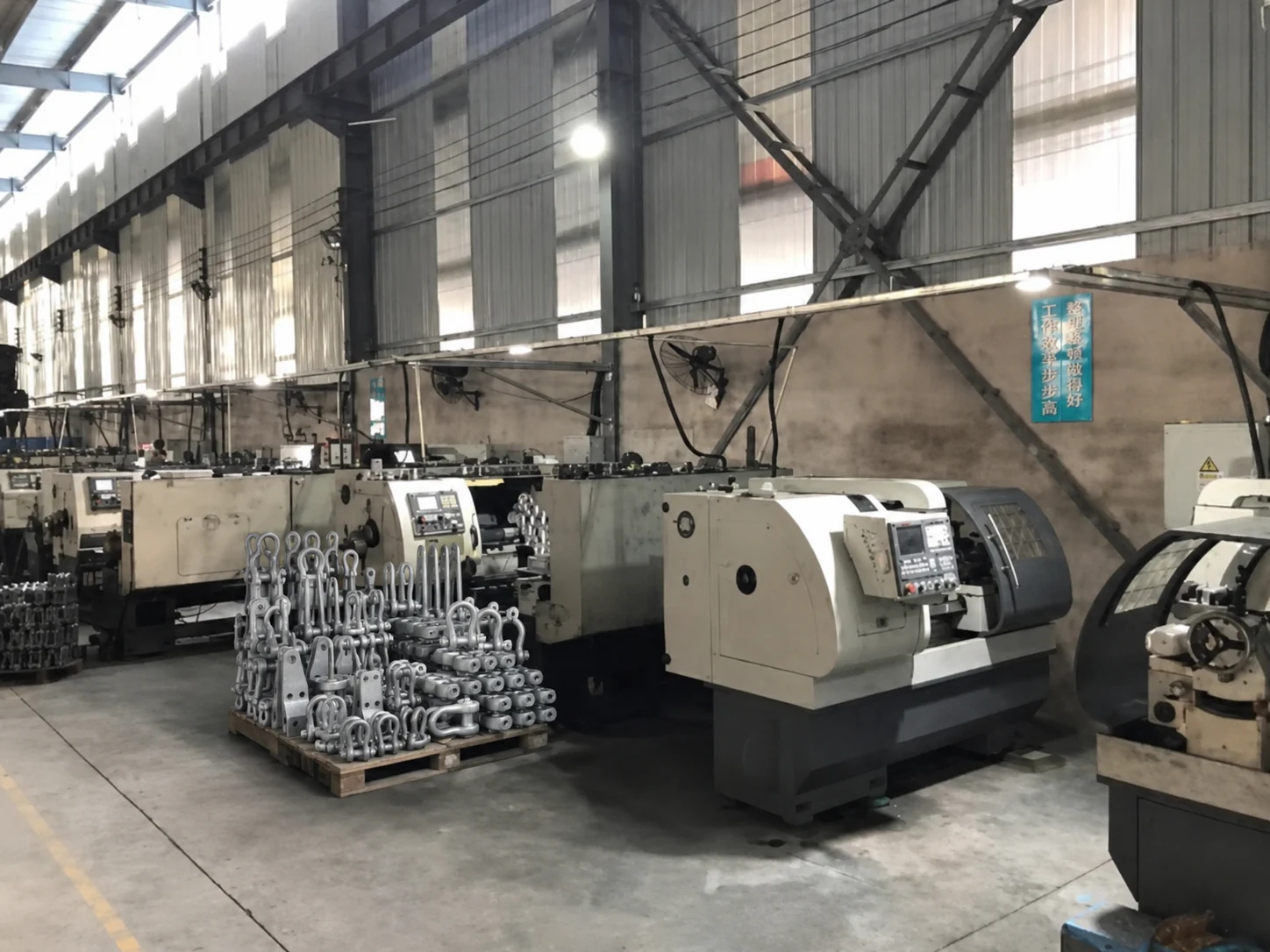
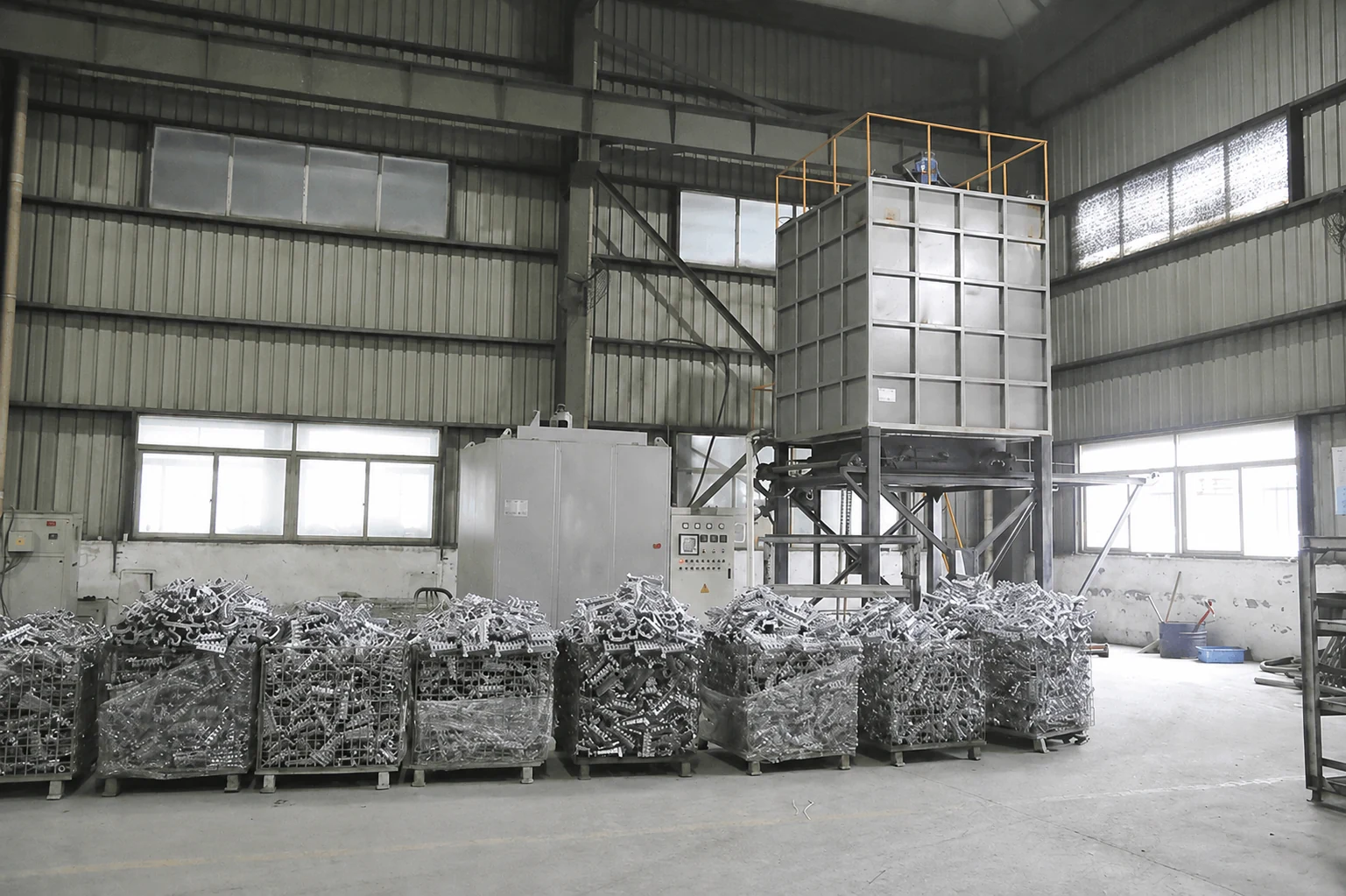
The production route is selected from the material, geometry, tolerances, load, surface requirement and order quantity. Final parameters are confirmed before manufacture.
Cutting, punching, pressing, bending and forming for brackets, straps, plates and drawing-based parts.
Drilling, turning, milling and finishing for dimensional interfaces, holes, threads and mating parts.
Fit-up, welding and assembly of fabricated pole line hardware and related metal components.
OEM and project-specific production from approved drawings, samples and technical requirements.
Surface finish and corrosion-protection requirements are confirmed against the approved specification.
Loose parts and assemblies can be grouped by product set, pole type, tower or BOQ code.
Inspection methods and records depend on the offered product, approved drawing, governing standard and agreed inspection plan.
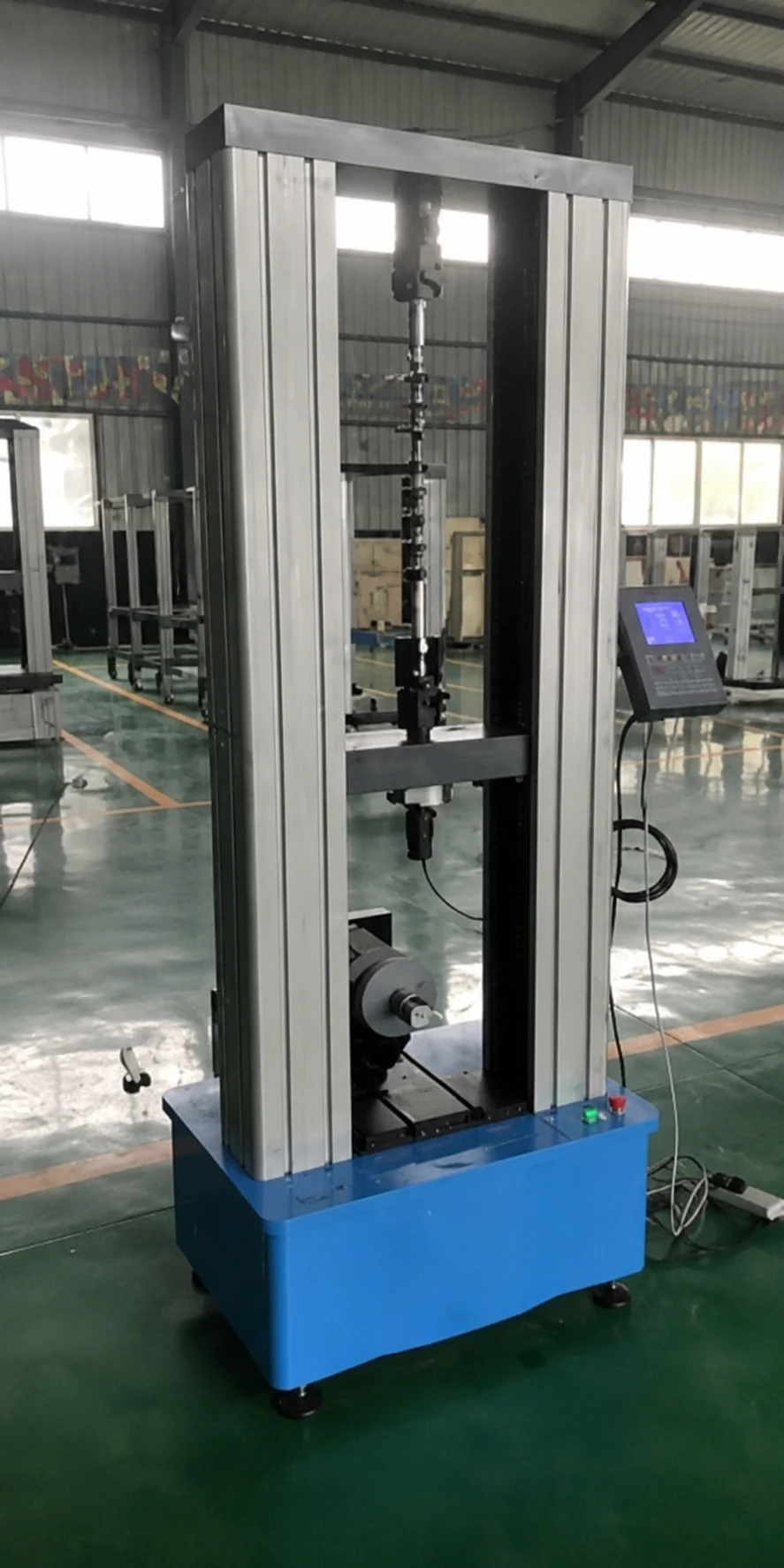
Material identification and available certificate review against the approved requirement.
Critical dimensions, hole patterns, threads, assembly interfaces and workmanship.
Tensile or load testing where required by the product, drawing or inspection plan.
Appearance, coverage and specified coating checks for finished metal hardware.
Product completeness, orientation, mating parts, fasteners and finished-product condition.
BOQ code, package mark, item quantity and packing-list verification before shipment.
Required records should be defined in the RFQ. Available evidence is controlled by product, project and approved document scope.
Product and assembly drawings controlled by revision.
Offered parameters, materials, standards and clarification records.
Available dimensional, visual, mechanical and product-specific checks.
Project-required material, test and compliance documents where applicable.
Package numbers, item codes, quantities, dimensions, weights and marks.
Container, seal, package count and available shipment photographs.
The core factory does not need to manufacture every product category for KOVYEL to coordinate a compatible project package. Product responsibilities, standards and inspection records remain separated by supplier and item.
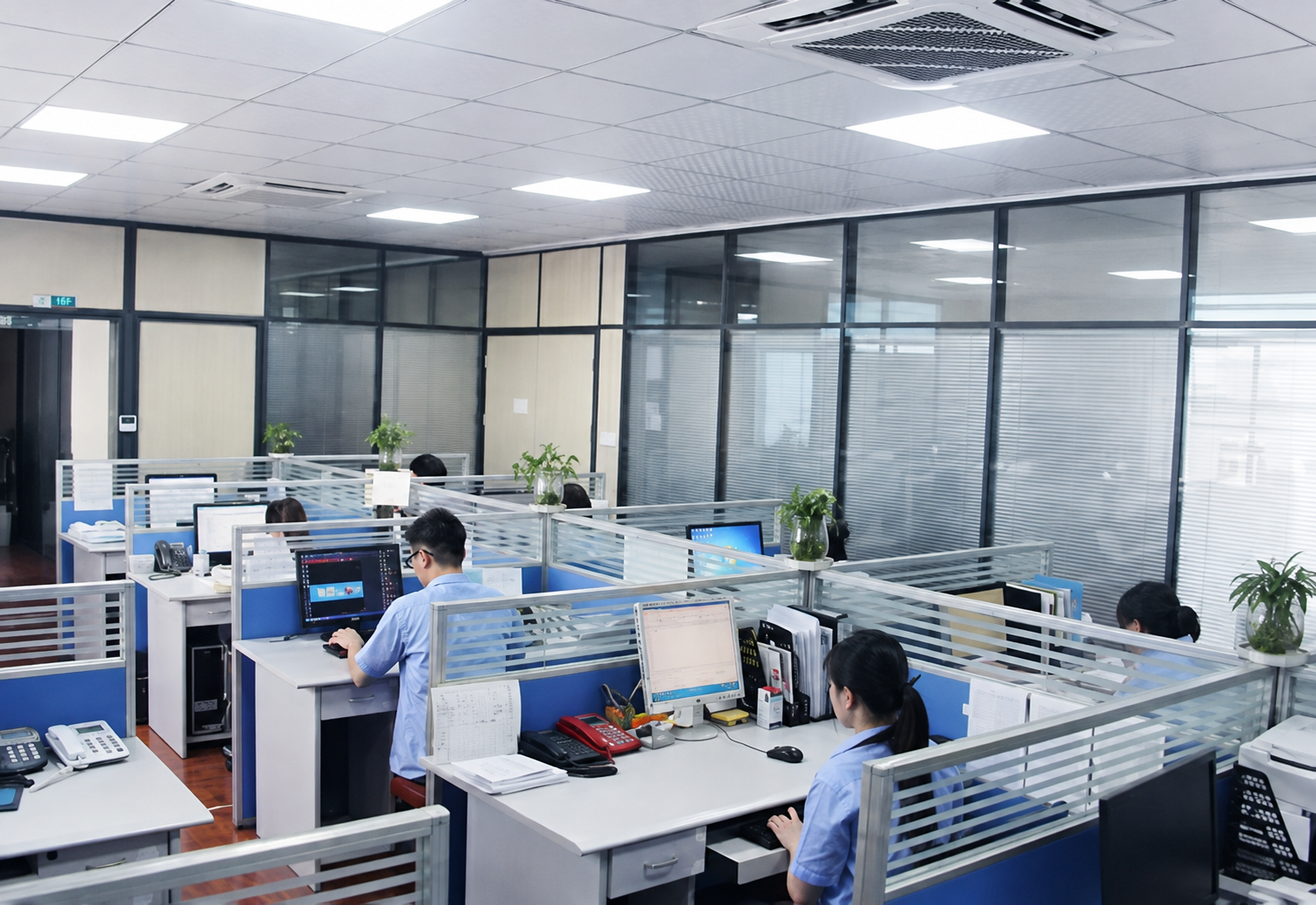
Office-based specialists connect customer requirements with factory execution, qualified suppliers, documentation, packing and international delivery.
Drawings, standards, interfaces and compliance requirements are checked before the offer and production release.
BOQ scope, lead time, documentation and delivery terms are aligned through a clear customer interface.
Progress, inspection records, packing codes and shipment milestones are coordinated through completion.
Project materials can be grouped by BOQ item, structure, line section or shipment lot when the customer provides stable coding.
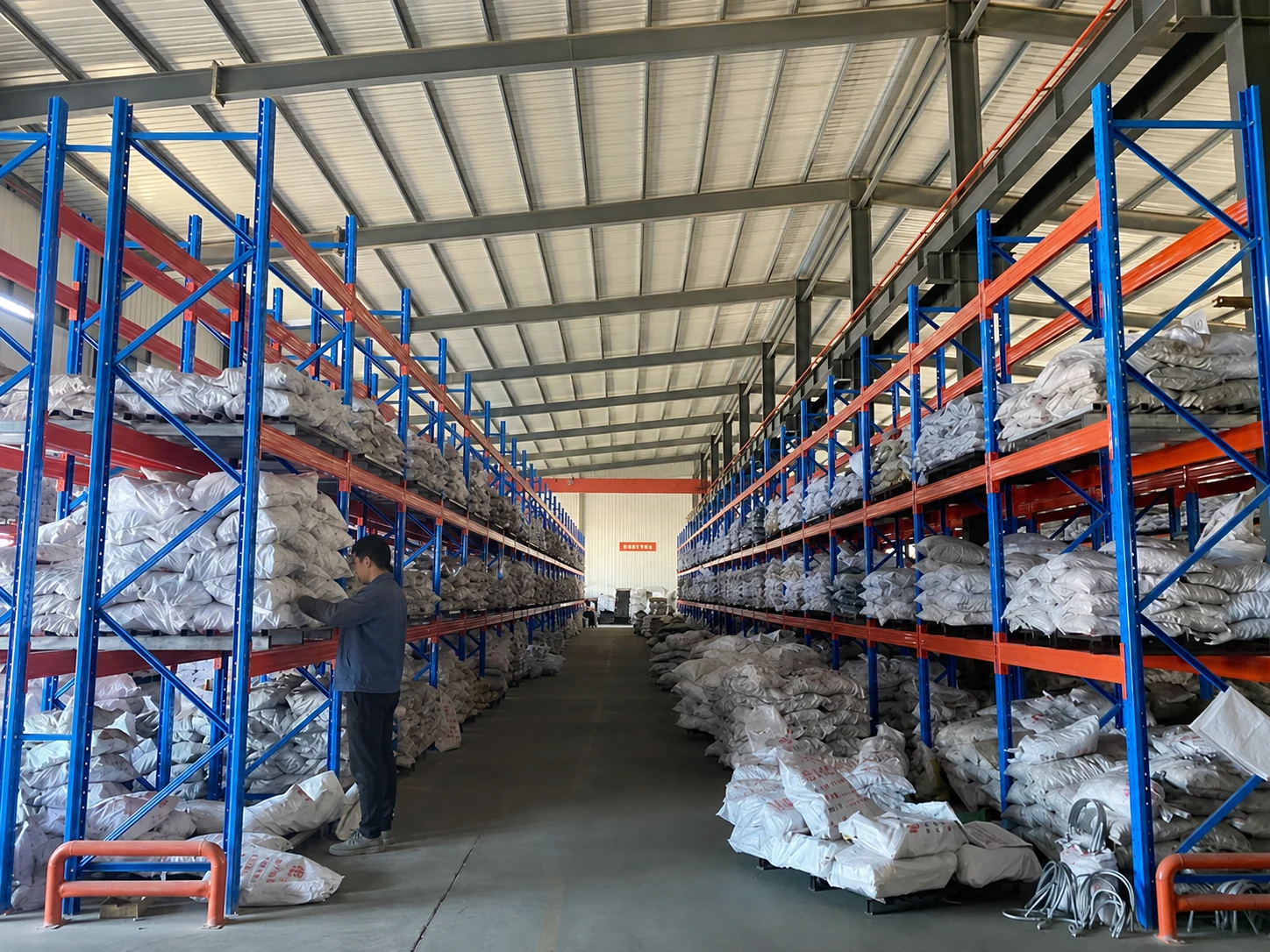
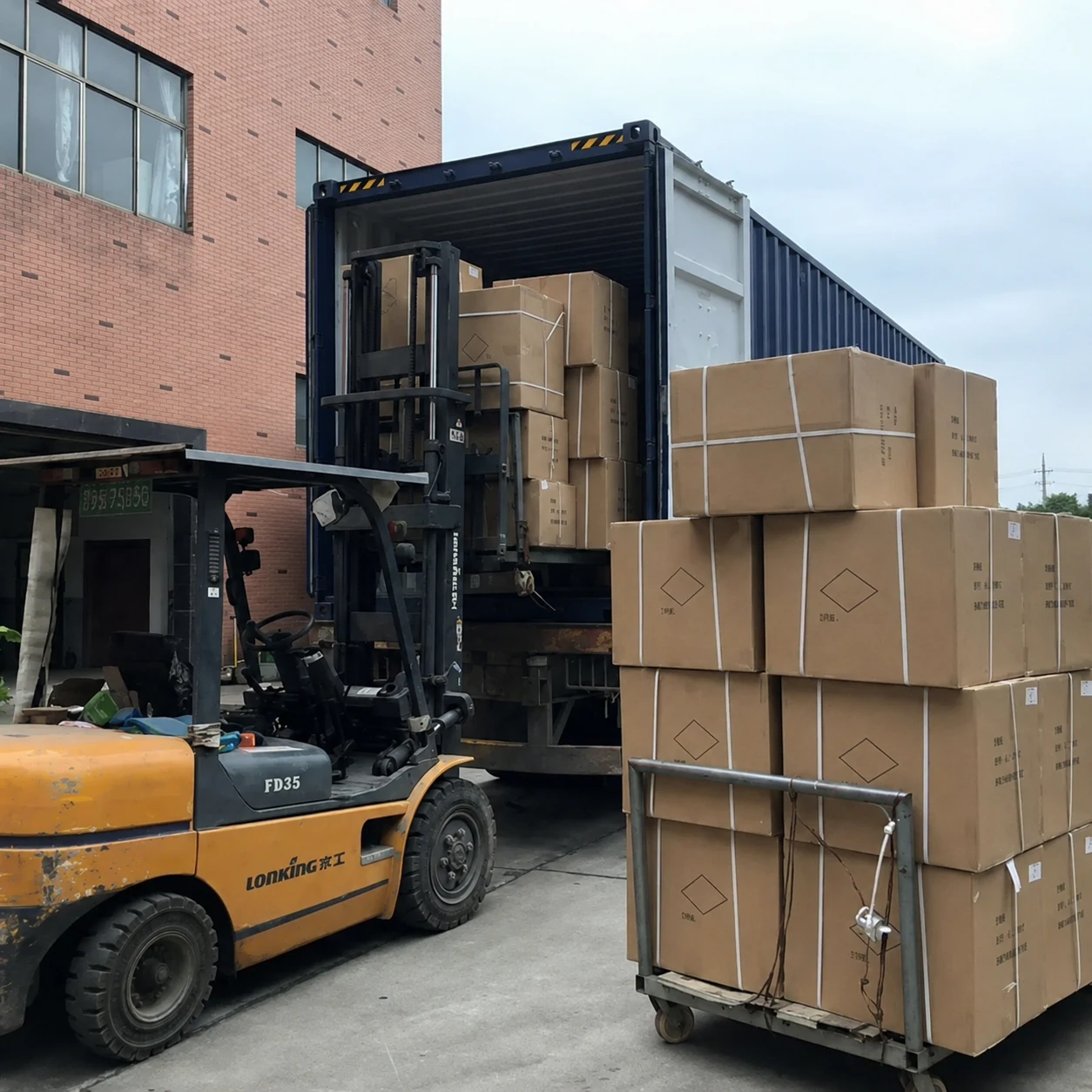
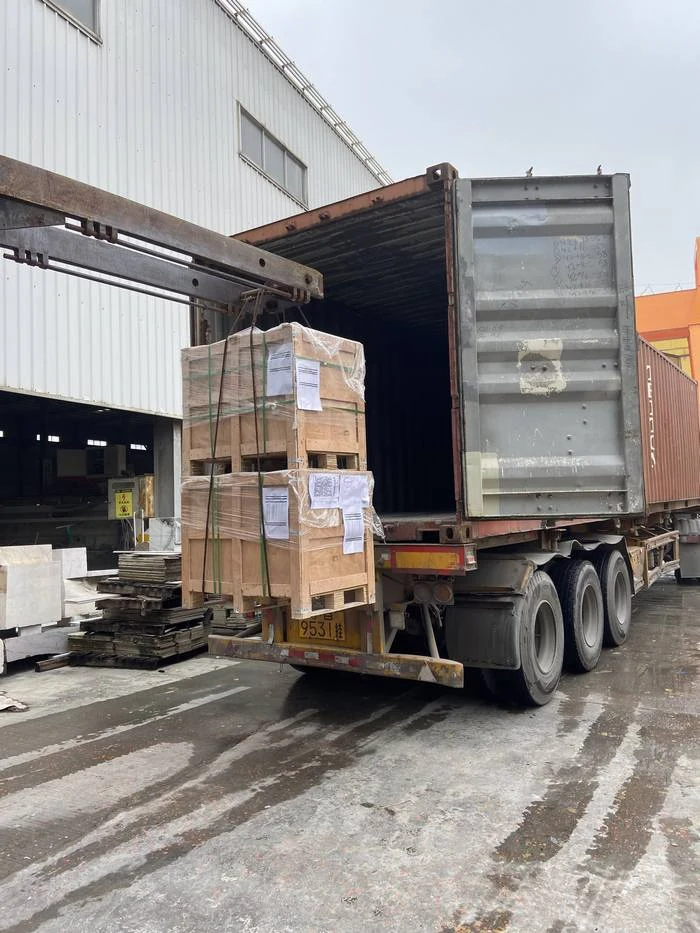
KOVYEL's core manufacturing base focuses on pole line hardware and drawing-based metal components. The wider overhead line package is coordinated through qualified, stable supply partners according to the approved project requirements.
Yes. The inspection scope, witness points, sample basis and required records should be agreed before production. Third-party inspection can be coordinated when requested by the project.
Yes for suitable metal hardware and assemblies. Final feasibility depends on the drawing, material, tolerances, load requirement, surface treatment, quantity and test scope.
Document scope is product- and project-specific. Required standards, certificate types, test reports and approval format should be listed in the RFQ or compliance matrix.
Yes when the customer provides stable structure codes and an approved packing basis. Materials can also be grouped by BOQ item, line section or shipment lot.