How to Select Pole Line Hardware and Overhead Line Fittings
A buyer-focused guide to matching pole line hardware, insulators, conductors and fittings by structure type, mechanical load, dimensions and corrosion protection.
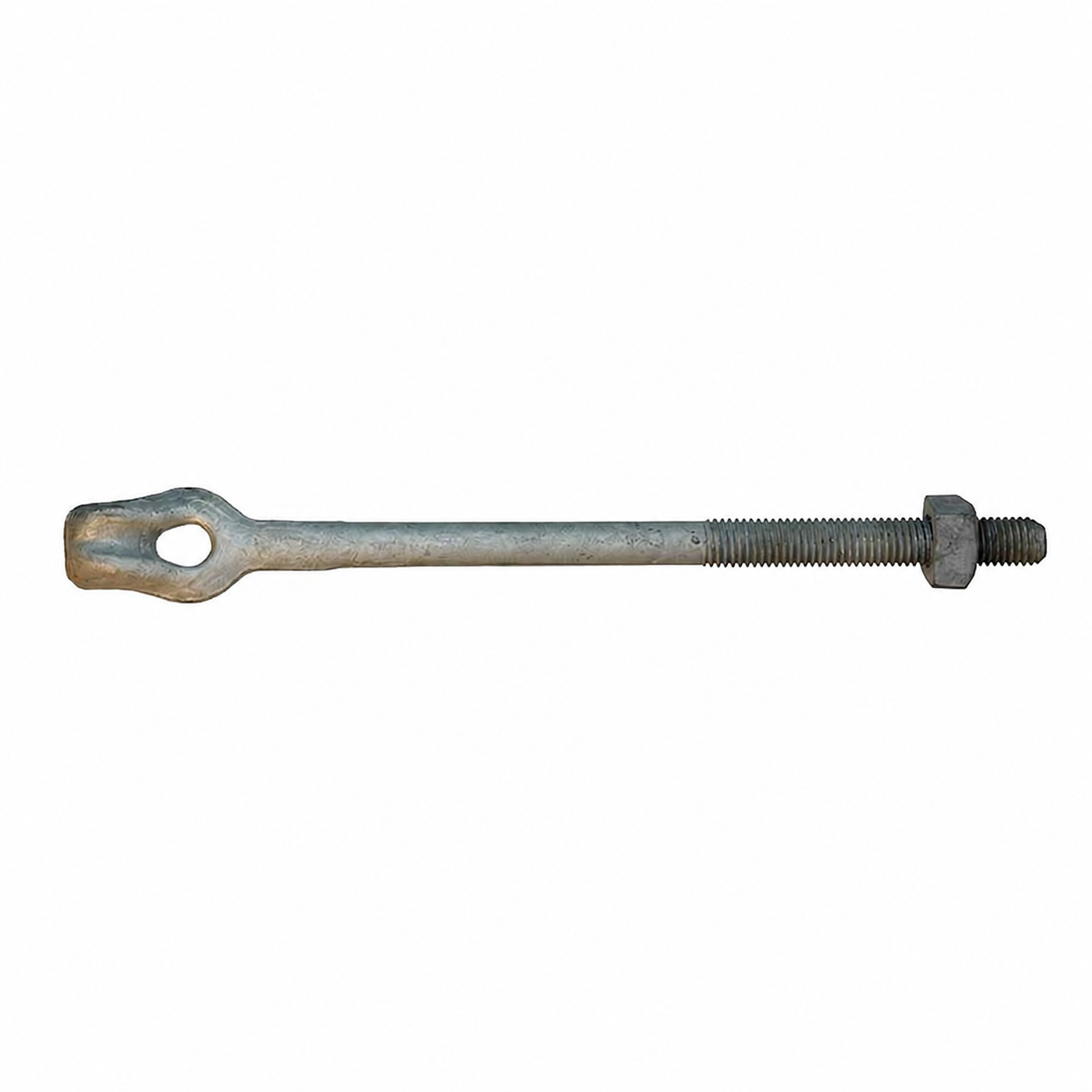
Which pole line hardware should be included in an overhead line or rural electrification project?
Select pole line hardware from the approved structure drawing, conductor and insulator system, design load, pole material, hole pattern and corrosion environment. Do not select bolts, brackets, clamps or crossarm fittings only by appearance: dimensions, material grade, mechanical rating, coating and mating interfaces must be confirmed together.
Begin with the structure assembly
A pole-top assembly is a system. The pole, crossarm, insulator support, conductor attachment, guying and grounding components must fit the same drawing and load case.
- Identify tangent, angle, dead-end and terminal structures.
- Confirm steel, concrete or wood pole interfaces.
- Match hole diameters, bolt lengths, thread lengths and washer arrangements.
Separate dimensional fit from mechanical capacity
A component can fit dimensionally and still be mechanically unsuitable. Required tensile, transverse, vertical and slip performance should be confirmed against the governing assembly and test requirement.
- Use specified minimum failing load or rated strength where applicable.
- Check conductor diameter and clamp range.
- Confirm insulator coupling type and hardware orientation.
Specify material and surface protection clearly
Material grade, manufacturing process and coating are quotation inputs. Hot-dip galvanizing is common for ferrous line hardware, but coating mass or thickness, thread treatment and special coastal requirements must follow the project specification.
Minimum data by hardware group
Information to include in the RFQ.
Use this list to reduce repeated clarification. Unknown fields can be marked “to be confirmed.”
- 01Structure drawing and reference number
- 02Pole material, diameter and hole pattern
- 03Conductor and earth-wire data
- 04Insulator type and coupling
- 05Design and test loads
- 06Material grade
- 07Galvanizing or corrosion requirement
- 08Marking, packing and structure code
Short answers for project buyers.
Is a product photo enough to quote pole line hardware?
A photo can identify the product family, but final quotation needs dimensions, material, coating, load and quantity. A drawing or approved sample is much safer.
Should hardware be quoted individually or as a structure kit?
Both are possible. Structure kits reduce missing-item risk when the pole schedule and assembly drawings are available.
What galvanizing information should be included?
State the governing standard and any required coating mass, thickness, appearance, adhesion or thread requirements. Coastal or highly corrosive environments should be identified.